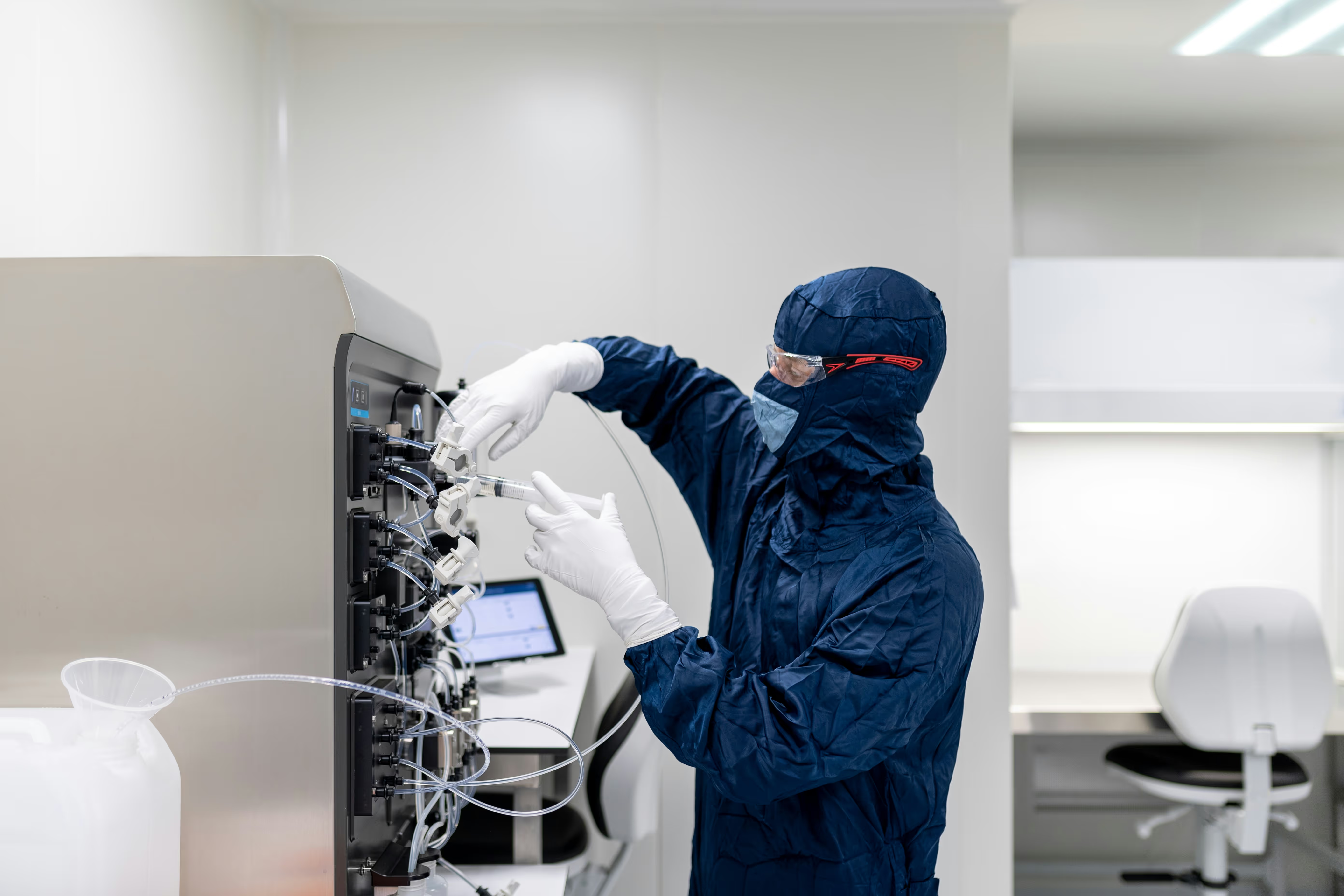
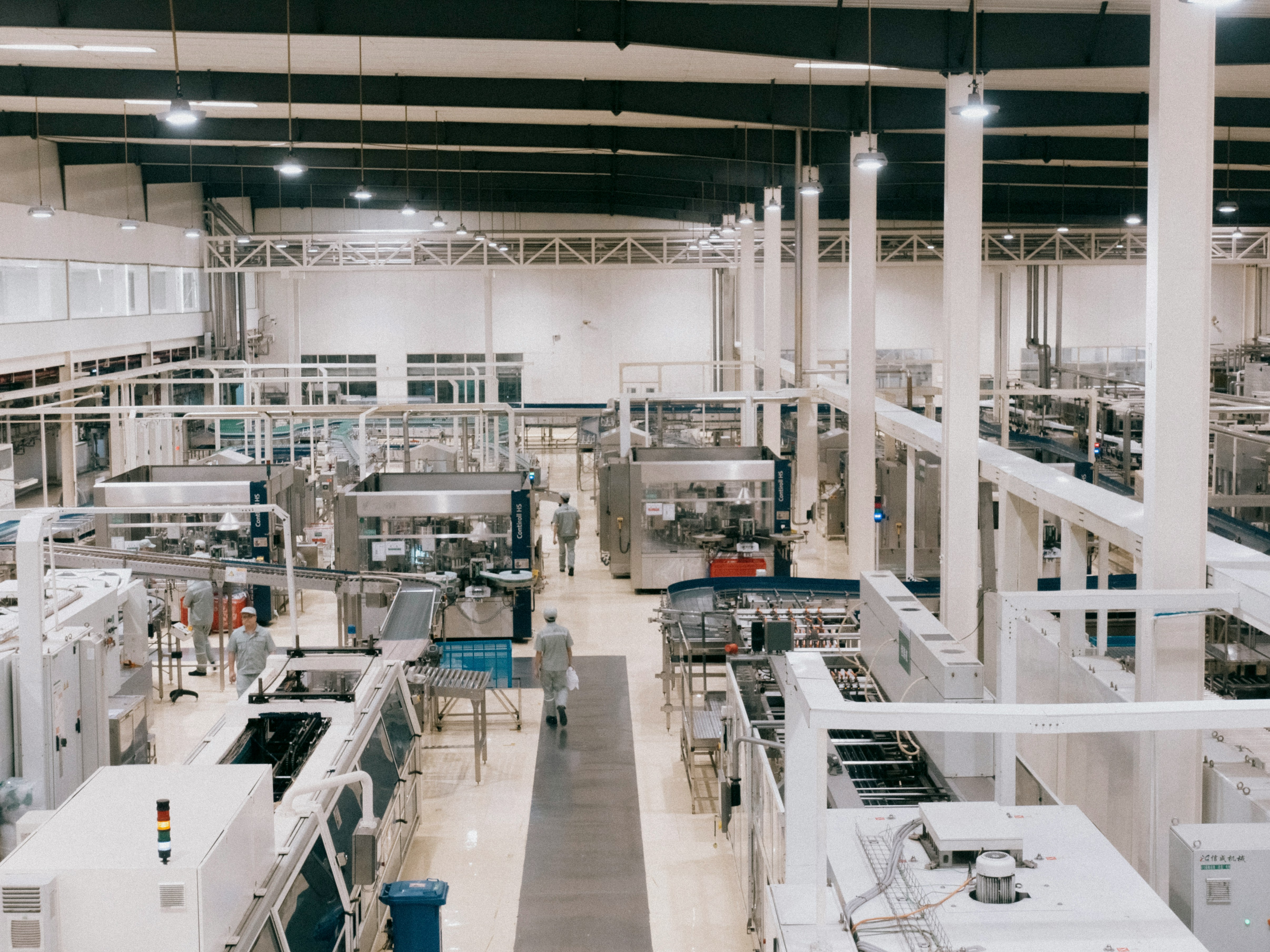
In industrial biotech, synthetic biology, biomanufacturing and AgBio, the challenge often shifts from proving that something can work once to proving that it can work repeatedly. A first plant, pilot line or flagship customer can create momentum. But it does not automatically create a bankable, repeatable model. The harder question is whether the company can move from a first-of-a-kind asset to a second, third and fourth deployment without rebuilding the business case each time.
That is where supply-side execution becomes decisive. Manufacturing strategy, licensing, project finance, offtake quality, site selection, feedstock access, regulatory exposure and geopolitical resilience all start to affect enterprise value. For many companies, the question is not whether the biology works. It is whether the operating model around the biology can scale without consuming too much equity, time or organisational bandwidth.
The companies that move through this phase well are usually the ones that become more disciplined earlier. They know what should be owned, what should be partnered, what should be licensed, and what kind of capacity actually matches the market they are trying to build.









.jpg)

.png)
